Blog

Baines Simmons Awarded Contract with the UK Civil Aviation Authority
Baines Simmons has been awarded a contract with the UK Civil Aviation Authority (UK CAA) to develop and deliver a comprehensive eLearning programme for the entire UK flying display community.
Read Article- Building a Safety Culture Within An Early-Stage UAS OrganisationUncrewed aviation is scaling rapidly, and the safety culture work cannot be deferred. Our analysis of the consistent patterns across twenty-five years of aerospace consulting, and what early-stage UAS organisations need to build deliberately from the start.
- Safety Management Systems For Uncrewed Operators: Why the Crewed Playbook Only Takes You Part Of The WayMost uncrewed operators bring the crewed aviation SMS playbook into their operation. Our latest article explains the four structural differences that mean it only takes you part of the way.
- The Human Performance Gap In Uncrewed Operations (And Why the Regulatory Direction Is About To Make It Visible)As BVLOS operations grow more complex, the human performance and CRM infrastructure in the uncrewed sector is not keeping pace. Our analysis of the gap and what operators should be planning for now.
- Twenty-five years of aerospace safety: what it tells us about uncrewed aviation todayEvery maturing aviation sector follows the same safety pattern. Uncrewed aviation is now entering its human factors phase, and the operators who recognise it are investing in the disciplines now.
- CAP 2153 Edition 3: Task Optimisation, EU Imports, and What Needs to Change in Your CAMEThe UK CAA released Edition 3 of CAP 2153 in March 2026, introducing significant changes to the Part CAMO CAME User Guide.
- EMARs: Why Europe’s Military Airworthiness Framework Is Reshaping Defence AviationDiscover how EMARs are reshaping military airworthiness globally — and how Baines Simmons delivers the training and implementation support to adopt them.
- What Makes an Effective Occurrence InvestigationFailure has long been burdened with stigma. When things go wrong in high-stakes environments such as aviation, the instinct has often been to locate the fault, assign blame, and remove the perceived source.
- The Role of Human Factors in Safety InvestigationsIn the world of aviation and other safety-critical industries, understanding why things go wrong is just as important as knowing what went wrong. At the heart of that understanding lies Human Factors (HF) - 'The discipline of optimising human performance in the workplace'.
- Harnessing Safety Management Systems to Build Resilient, Profitable OperationsBy now, most UK approved Part‑145 and Part‑21 organisations have completed their initial CAA SMS Evaluation Tool (SRG 1776) submission and received feedback on how “present” and “suitable” their safety management arrangements are.
- Key Takeaways from the EASA SAFE 360º ConferenceSAFE 360º is a collaborative conference, held under Chatham house rules, designed for organisations in the aviation sector in Europe to discuss challenges related to safety management, find areas for improvement, and to challenge ourselves as an industry to identify where improvements can be made.
- Understanding the Importance of Aviation Auditor CompetenceAirlines, MROs, airports, and regulators are all working to meet evolving standards, but at the heart of this effort lies a role that often operates quietly behind the scenes - the auditor.
- Driving Competence & Culture: UK Military Aviation Authority 'STEP' ProgrammeWe are proud to be the key delivery partner in the UK Military Aviation Authority's Safety Training for Error Prevention programme, a cornerstone initiative designed to elevate safety knowledge, regulatory understanding, and professional competence across all elements of UK Armed Forces Aviation.
- A Look at Aviation Risk Management Solutions: Safety Issue Risk AssessmentTriaging alone does not effectively manage risk. Once an organisation identifies a recurring pattern or hazard theme, the question becomes: how serious is this issue in context, and what level of control or mitigation is needed?
- A Look at Aviation Risk Management Solutions: Event Risk ClassificationARMS Event Risk Classification (ERC) tool – used to triage safety reports/events to identify if immediate intervention is required and indicate the appropriate level of further investigation.
- Key takeaways from the Safety Forum 2025After attending the Safety Forum 2025, Consultant Liam Bell shares his key takeaways and insights from the event.
- Understanding the role of Just Culture and the management of Commander’s Discretion in managing fatigue riskWe must ensure that we are managing fatigue in an environment that is Just.
- Guide to Understanding Just CultureJust Culture strikes a delicate balance between fostering open and honest reporting and holding individuals accountable for their actions.
- Fatigue Risk Management Competency in European Flight OperationsFatigue training is competency-based training and must be delivered across the organisation, not just to the crew.
- Management System Assessment Tool (MSAT): ExplainedOur Managing Principal Consultant, Steve Hough, explains the EASA Management System Assessment Tool (MSAT).
- The importance of making sleep health a priorityLearn how and why sleep health should be made a priority and what you can do to improve your sleep health.
- Reflections on Fatigue Risk Management in European Flight OperationsThe current challenges with Fatigue Risk Management within European Flight Operations and some best practices on how to address these.
- European Plan for Aviation Safety 2025 – what’s new?Our Managing Principal Consultant Steve Hough reviews this latest edition of EPAS, summarising the key takeaways, including the new higher-risk safety issues, to help you get the most out of this publication.
- How to Influence Positive Safety CultureOur Principal Consultant, Simon Nicholls explores how behaviours can influence safety and the steps to influence safety culture.
- Managing Fatigue in Part 145Senior Consultant, John Wallace delves into the risks of fatigue in Part 145 and highlights strategies in managing fatigue to help create a safer and more productive work environment.
- What does the introduction of new Ground Handling regulation mean for your organisation?Within this blog, we look at the introduction of Integrated/Safety Management Systems (IMS/SMS) as one of the biggest shifts within Ground Handling.
- The Importance of Effective Problem SolvingEffective problem solving is crucial for any organisation aiming to maintain and improve its management system, enhance operational efficiency, and prevent recurring issues.
- What Makes a Good Finding in a Compliance Monitoring Audit?Findings should not be seen as a criticism of either the organisation or the individual, rather they should be treated as a learning opportunity for the continuous improvement of the management system as required by the basic regulation.
- World Day for Safety and Health at Work – The Impact of Climate Change on Workers’ Safety and Health
- The Introduction of SMS into FAA Part 145 Approved Repair StationsThe FAA is still on the fence about whether to insist that all 5,000 certified repair shops have safety management systems (SMS), but many U.S. shops operate globally, so they don't really have a choice.
- Understanding the 3 Lines of DefenceThe 3 Lines of Defence is a concept designed to give confidence to management, clients/customers, shareholders, and regulators that an organisation is actively managing compliance, whilst effectively delivering the required output.
- Who is Responsible for Compliance?Compliance can encompass a wide range of areas, such as regulatory, corporate, industry specific, data privacy and security. Effectively, all of these can be described as meeting requirements or following/adhering to process.
- Promoting a Unified Understanding of Human Behaviour: The Essence of Just CultureJust Culture should be ingrained in our daily conversations, managerial support systems, approach to problem-solving, and even in audits and performance evaluations.
- Def Stan 00-056: Love it or hate itThe UK MAA have recently released revision 8 of RA1205, which regards Air System Safety Cases. The Safety Case owners now need to ensure compliance with RA1205, and this seems to be driving renewed interest in the role of Def Stan 00-056.
- Design Organisation Approval: The Integration of Safety Management and Organisation PerformanceThe introduction of ICAO Annex 19 (Safety Management System) has provided a stimulus for Regulators (such as EASA) to move towards a “Performance Based Environment”.
- Fatigue Risk Management for the UK Heavy and Light Rail IndustryThis article provides a view on how those within the UK Heavy and Light Rail industry can act to improve the effectiveness of their FRMS, based on our years of experience supporting operators implementing FRMS.
- Reliability Programme SkillsHow do we define reliability? The regulations give us some guidance particularly Part M and Part CAMO. Put simply, an aircraft, system or component can be described as reliable, if under a defined operating environment...
- Implementing SMS into the Ground Handling environmentGround handling is a challenging environment that requires a balance of planned, choreographed, coordinated and ultimately a “ballet” of movements.
- Strategies for calming a racing mind when trying to sleep
- Helping Part 145 and 21 understand how to build in SMS requirements for business performance
- Our Services to Part 21 industry – the Safety Management ElementPart 21 industry, since 7th March 2023, is now implementing the Safety Management Element (SMe) as the latest regulation became applicable.
- Dr Cristina Ruscitto, Senior Consultant, FRM, shares her experience of working in aviationTo celebrate Women of Aviation, we’ve asked Dr Cristina Ruscitto, to share details of her experience of working in aviation.
- Key takeaway from the EASA Certification Conference 2022Consultant Jack Coleman shares his key takeaways from the EASA Certification Conference 2022, where the EASA Certification Directorate shared the latest updates on certification activities.
- System Management into Part 21 – how are industry reacting?The ICAO Annex 19 Safety Management System approach has been released against Part 21 legalisation. The aim of such, is to recognise the limitations of human and organisational performance.
- A Holistic Approach to RiskA Holistic Approach to Risk - article by Managing Director Ian Holder for IIRSM's member magazine
- Tips for getting to sleepSleep is crucial and plays an important role in your physical and mental health. The amount of sleep you require can vary for different individuals but the amount of sleep you achieve in 24 hours can easily be affected by various factors.
- How to change my sleep habits in order to get more sleepGetting enough sleep (7-9 hours of sleep per 24-hour period1) is one of the best things we can do for our health, mood, and performance.
- Jetlag - how best to reduce the symptoms and adapt your body clockEvery cell in our body has a natural circadian (24-hour) rhythm, which is controlled by our body clock, located in the brain.
- The benefits of sleep for sporting performanceResearch has shown that athletes who are able to sleep longer than the recommended amount, e.g. ‘bank’ or extend sleep by 1-2 hours a night, for a few days ahead of a competition, can optimise their performance.
- How sleeping more can help me to become a better team leaderTeam leaders have the capacity to lift up and support their team so they can reach their full potential. If you are a team leader, getting adequate sleep is an essential way you can stay strong for your team.
- How to reduce the impact of nicotine on sleepYou can add ‘sleep better’ to the very long list of reasons to quit smoking. Similar to caffeine, nicotine is a stimulant, which people use because of its alerting properties.
- Revenge bedtime procrastinationThe term ‘Revenge Bedtime Procrastination’ originates from China where people can work a ‘996’ schedule, working 9am to 9pm, 6 days a week. However, it’s a behaviour that many of us may recognise.
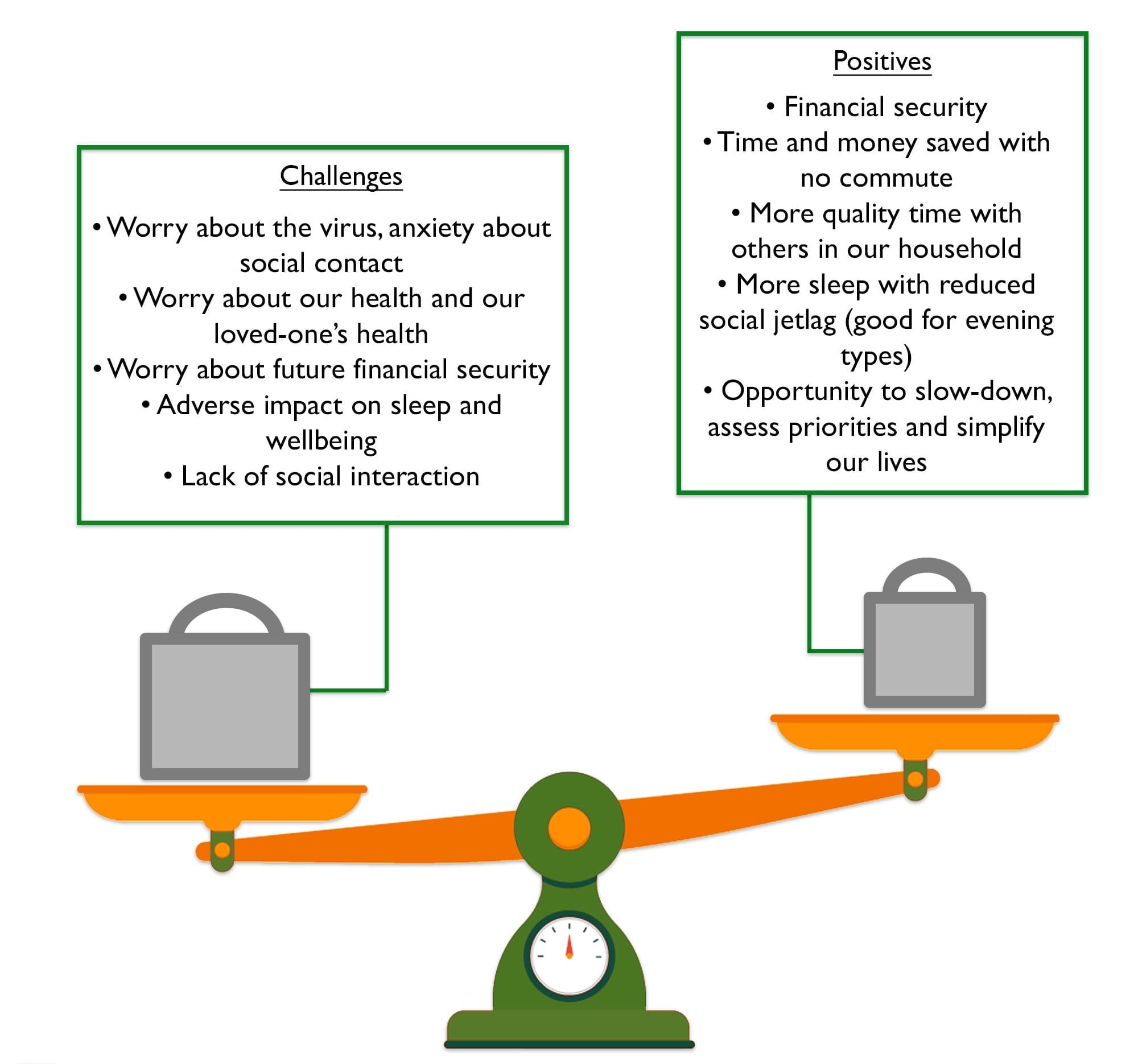
- Daily routines and sleepOver this last year, many of us have lost our usual daily routines, with no commute, lunchtimes with colleagues or clear time differences between office and home time.
- Say goodnight to fatigue risk with new virtual training course from Baines SimmonsWith the Covid-19 pandemic causing disarray it’s never been more vital for employers to consider the impact of fatigue on their workforce.
- Understanding the consequences of alcohol on sleepAlcohol will make you sleepy, but you won’t sleep well for about an hour after your first alcoholic drink, your brain is stimulated to release dopamine, the so-called “happy hormone”.
- Extended hoursIn order to maintain a high level of alertness and performance, we are best suited to being awake for no more than about 16 hours following 8 hours of good quality sleep, although these values can differ slightly among individuals.
- Managing driver sleepinessSleepiness contributes to approximately 1 in 5 fatal and serious road accidents. When we are feeling sleepy, for example after a night shift, driving is one of the most dangerous things we can do.
- Sleep, wellbeing and the pandemicDiscussion of fatigue in aviation incidents is often focused on pilots and cabin crew, with less attention provided to maintenance engineers responsible for round-the-clock planned and reactive maintenance of aircraft.
- Dying for a break? Human factors and fatigue management in the MRO sectorDiscussion of fatigue in aviation incidents is often focused on pilots and cabin crew, with less attention provided to maintenance engineers responsible for round-the-clock planned and reactive maintenance of aircraft.
- Expert advice on adapting body clocks, as daylight savings endFor many people, the way their natural internal body clock is inclined can make the demands and schedules of work and lifestyles especially challenging.
- What is social jetlag?This holiday period may see fewer of us taking to the skies and therefore not experiencing the jetlag that comes with long-haul travel. However, there is another type of jetlag, social jetlag, which you can experience even if holidaying closer to home.
- How to promote creativity and wellbeing through dreamsDuring a typical night’s sleep, everyone dreams but while some people easily and often remember their dreams, other people can’t recall their dreams.
- Helping the C-Suite to Manage Fatigue in Challenging TimesCovid-19 has had a dramatic impact on businesses globally, with top C-suite executives having to make decisions that they might have never thought to have considered.